Women’s Genuine Leather Shorts with Natural Character
A good pair of leather shorts should offer more than an eye-catching appearance. The cut needs to feel comfortable around the waist and hips, the leather should suit the intended style, and practical details such as the lining, pockets and closure should work together.
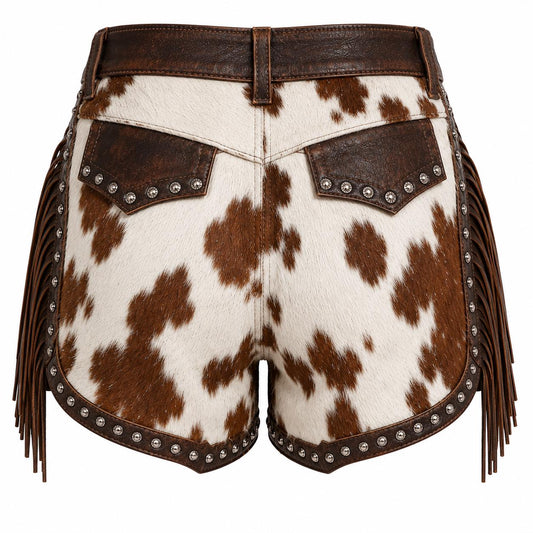
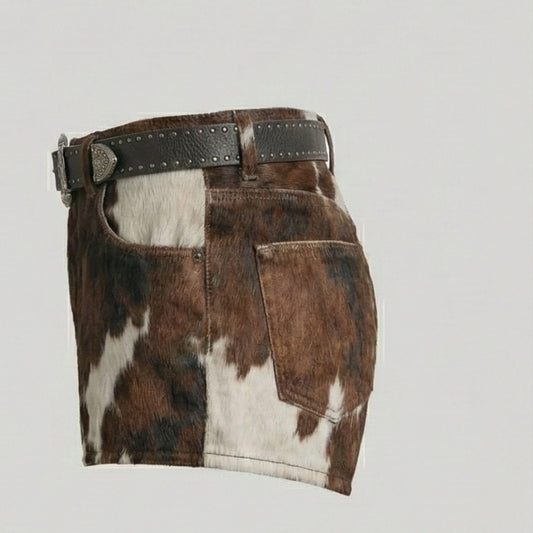
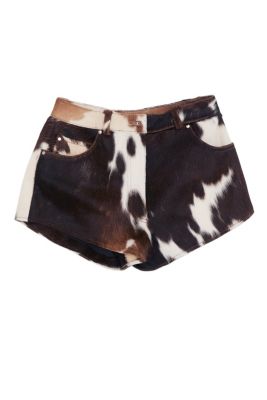
Our women’s genuine leather shorts collection is being developed around those considerations. It includes statement-making hair-on cowhide designs, Western-inspired fringe, embellished pieces and more understated leather shorts that can be worn across different seasons.
As the collection grows, it will not be limited to one type of hide. Styles may be produced in cowhide, sheepskin, lambskin, goatskin, buffalo leather and suede. Each material has a different texture, weight and level of structure, so the most suitable choice depends on how you want the shorts to look and feel.
You can also explore our women’s cowhide leather collection if you appreciate the natural markings and substantial feel associated with cowhide.
How Women’s Shorts Developed from Practical Clothing
The history of women’s shorts is connected to a much broader change in women’s clothing. For much of the nineteenth century, conventional womenswear involved long skirts and multiple layers that could restrict movement during work, exercise and everyday activities.
Dress reformers began questioning those limitations during the 1850s. Early reform outfits included shorter skirts worn over loose trousers, giving women greater freedom of movement for activities such as gardening and walking. These garments were not the same as modern shorts, but they formed part of the movement towards more practical womenswear.
Leisure activities and organised sport encouraged further change. Cycling, riding, tennis, swimming and outdoor recreation created a need for garments that were lighter and less restrictive. During the 1920s, women’s clothing became increasingly relaxed, while sportswear started influencing ordinary daytime fashion.
By the 1930s, shorts were appearing more visibly in women’s tennis, beachwear and holiday clothing. Their early appeal was largely practical: they allowed easier movement, felt cooler in warm conditions and suited increasingly active lifestyles. Photographs from the period show female athletes wearing shorter and more functional garments than the dresses and long skirts used by previous generations.
During the middle of the twentieth century, coordinated shorts, shirts and jackets became part of casual and resort wardrobes. Bermuda shorts also became popular in collegiate and leisure settings. By the 1960s and 1970s, designers were treating shorts as fashion pieces rather than clothing reserved only for sport or the beach. Shorter hemlines, bold colours and youth-led styling made them symbols of confidence and individual expression.
Leather shorts developed from this combination of practical sportswear, changing social conventions and statement fashion. They later absorbed influences from motorcycle clothing, rock music, Western dress, festival fashion and designer tailoring. Today, leather shorts can be minimal and refined, rugged and functional, or deliberately decorative.
There was no single moment when women collectively started wearing shorts. Their acceptance happened gradually as work, recreation, sport and social attitudes changed.
Why Did Women Begin Wearing Shorts?
Women initially adopted shorts and related divided garments because they offered advantages that long skirts could not provide.
Greater Freedom of Movement
Shorts made walking, cycling, playing sport and completing practical tasks easier. They reduced the amount of loose fabric around the legs and allowed the body to move more naturally.
Comfort in Warmer Conditions
Beachwear, resort clothing and summer sports played an important part in the development of women’s shorts. A shorter garment was more practical in warm weather than the heavy, layered clothing previously expected of women.
Changing Roles and Lifestyles
As women became more involved in organised sport, education, employment and outdoor recreation, their clothing needed to accommodate a more active routine. Casual dressing gradually became acceptable beyond private or sporting environments.
Personal Style and Self-Expression
By the second half of the twentieth century, shorts had become a fashion choice in their own right. Different rises, lengths, materials and decorative details allowed the wearer to create a look that could be relaxed, tailored, rebellious or glamorous.
Leather shorts continue this progression. They preserve the convenient shape of conventional shorts while adding the texture, body and natural character of real leather.
Leather Types You May Find in This Collection
The word “leather” describes a broad group of materials rather than one standard texture. The animal hide, tanning process, thickness, surface treatment and garment construction all affect the finished shorts.
Cowhide Leather
Cowhide is valued for its durability and naturally substantial feel. It can hold the shape of structured shorts particularly well and may be finished with a smooth surface, natural grain, printed pattern or distressed appearance.
Hair-on cowhide retains the animal’s natural hair and markings. Every hide has its own arrangement of colours and patches, which means two hair-on garments will not be exact visual copies. This natural variation is part of the material rather than a manufacturing defect.
Cowhide is often more structured than sheepskin or lambskin. However, its feel can still vary considerably depending on leather thickness, tanning and finishing.
Sheepskin Leather
Sheepskin generally feels softer and more flexible than heavier cowhide or buffalo leather. It works well for shorts designed to follow the body more comfortably without feeling overly rigid.
Sheepskin should not automatically be confused with shearling. Shearling retains the wool fleece, while ordinary sheepskin garment leather may have a smooth or finished surface without the fleece attached.
Lambskin Leather
Lambskin is recognised for its soft hand feel, lighter weight and smoother drape. It can be a good option for refined, fashion-led or tailored leather shorts.
Because lambskin is usually more delicate than thick cowhide or buffalo leather, it benefits from careful wear and storage. It may not be the most suitable choice for a heavily embellished or rugged workwear-inspired design.
Goatskin Leather
Goatskin offers a useful balance of flexibility and resilience. Its natural grain can be more visible than the surface of some lambskin leathers, while its weight can remain manageable for clothing.
Goatskin can also be made into suede. Goatskin suede has a soft, velvety nap and works especially well with Western, vintage and relaxed designs.
Pair suede shorts with one of our women’s suede jackets to build a coordinated outfit with consistent texture.
Buffalo Leather
Buffalo leather is normally associated with a stronger grain, firm handle and rugged character. Depending on its thickness and finish, it can produce more structured shorts with a distinctive heritage or workwear appearance.
It may feel heavier than sheepskin, lambskin or some goatskin garments. Buyers who prefer a substantial pair of leather shorts may appreciate this quality, while those seeking a soft drape may prefer a lighter hide.
Suede and Nubuck
Suede and nubuck are surface finishes rather than separate animal species. Suede is produced from the flesh side or split layer of a hide, creating a soft nap. Nubuck is created by sanding the grain surface, usually resulting in a finer, more uniform texture.
Both materials require more protection from water, dirt and oil than smooth finished leather. Any protective product should be suitable for suede or nubuck and patch-tested before general application.
Styles in the Collection
Because leather responds differently to cutting, stitching and embellishment than ordinary fabric, it gives each shorts silhouette a distinctive personality.
Hair-On Cowhide Shorts
Hair-on cowhide creates a naturally individual pattern. It works particularly well for Western, ranch-inspired and statement designs. Natural variation should be expected between the photographs and the delivered garment.
Western Fringe Shorts
Fringe adds movement and draws attention to the shape of the garment. It may be positioned along the side seams, pocket edges or lower panels. Western shorts can also include decorative stitching, belts, metal hardware or rhinestones.
For a complete Western look, consider pairing them with a jacket from our men’s cowboy leather jacket collection, while checking the individual measurements carefully if choosing a cross-category piece.
Biker-Inspired Leather Shorts
Biker styling may include exposed zips, metal hardware, panelled construction, angled pockets and a close fit. These details take inspiration from traditional motorcycle clothing, although fashion shorts should not be treated as certified protective riding equipment unless the product specifically states otherwise.
Our women’s biker jackets provide a natural coordinating option for this look.
Tailored Leather Shorts
Tailored designs usually feature a cleaner waistband, controlled panel shaping and a more refined silhouette. They can be styled with a blouse, knit top or one of our women’s leather blazers for a more polished outfit.
Embellished and Rhinestone Shorts
Rhinestones, contrasting leather, decorative seams and fringe can turn a small garment into the main feature of an outfit. These details should be handled gently because repeated friction may loosen embellishments or damage the surrounding leather.
Longer and Bermuda-Length Shorts
Not all leather shorts need to have a short hemline. Longer cuts provide additional coverage and can create a more relaxed or tailored shape. They can also be easier to combine with oversized shirts, boots and layered autumn outfits.
Practical Benefits of Genuine Leather Shorts
Genuine leather develops character in a way that most synthetic materials cannot reproduce. Depending on the finish, it may gradually soften, form gentle creases and develop a personal appearance through normal wear.
Other practical benefits include:
-
A structured silhouette that can hold its shape better than lightweight fabric
-
A wide choice of smooth, grained, suede and hair-on finishes
-
Good styling versatility across casual, Western, biker and evening outfits
-
Natural variation that can make each garment visually distinctive
-
Long-term wear when the leather, seams and embellishments are cared for properly
-
Easy coordination with boots, trainers, shirts, knitwear and outerwear
Leather is not automatically waterproof or windproof. Protection depends on the hide, finish, seam construction and any specialist treatment applied to the garment. Always follow the information provided on the individual product page.
How to Choose the Right Size
Women’s shorts need to fit both the waist and the widest part of the hips. Choosing only by a usual S, M or L label can lead to an inaccurate fit because sizing differs between brands and garment shapes.
Before ordering:
-
Measure the natural waist without pulling the tape too tightly.
-
Measure around the fullest part of the hips.
-
Compare both measurements with the product’s size information.
-
Consider the rise and intended fit of the shorts.
-
Allow extra room if you plan to wear tights or tucked-in knitwear underneath.
Leather may soften through wear, but it should not be expected to stretch by several sizes. A comfortable initial fit is particularly important for thicker cowhide and buffalo leather.
Visit our size guide for measuring guidance, and always check the details supplied on the individual product page.
Ways to Style Women’s Leather Shorts
For an easy daytime outfit, combine smooth leather shorts with a cotton T-shirt, trainers and a lightweight overshirt. The simple upper half helps the texture of the leather stand out without making the outfit feel overworked.
Western fringe or hair-on cowhide shorts work naturally with boots, a plain fitted top and minimal jewellery. If the shorts already include rhinestones or strong natural markings, keeping the remaining pieces quieter can produce a more balanced appearance.
For cooler conditions, add opaque tights, ankle boots and a knitted layer. A structured blazer can make leather shorts feel more refined, while a biker jacket creates a stronger, coordinated silhouette.
A fitted piece from our women’s leather shirt collection can also be used for tonal leather-on-leather styling. Mixing two different finishes—such as smooth leather with suede—often creates more visual depth than trying to match every surface exactly.
Caring for Different Leather Finishes
The correct care method depends on the leather type and surface finish.
Smooth Leather
Remove light surface dust with a soft, dry cloth. A suitable leather conditioner may be applied occasionally, but it should always be patch-tested in a hidden area first. Excess conditioner can darken the leather or change its finish.
Suede or Nubuck
Use a specialist suede brush to lift the nap and remove dry surface dirt. Do not use ordinary smooth-leather polish or conditioner. Keep suede away from heavy rain and allow any dampness to dry naturally.
Hair-On Cowhide
Brush gently in the natural direction of the hair. Avoid repeated friction against rough surfaces, especially around seats, bags and belts. Do not saturate the hide or apply standard leather cream directly to the hair.
Fringe and Rhinestones
Separate tangled fringe carefully by hand instead of pulling it. Avoid rubbing embellished areas, and do not place heavy objects on rhinestones or decorative hardware during storage.
Leather shorts should not be machine washed, tumble dried, ironed or placed beside direct heat. For deep stains, specialist leather cleaning is the safest option.
More information about material handling and garment construction is available on our craftsmanship page.
A Collection Designed to Grow
This collection is not restricted to the styles currently available. New additions may include smooth sheepskin shorts, softer lambskin designs, goatskin suede, structured buffalo leather, longer Bermuda cuts, tailored silhouettes and further Western or embellished pieces.
Leather type, thickness, lining, pockets, closure, tanning method and water resistance may vary between products. We will identify these details on individual listings whenever the information is available, helping you compare each pair based on its actual construction rather than relying on broad assumptions about leather.